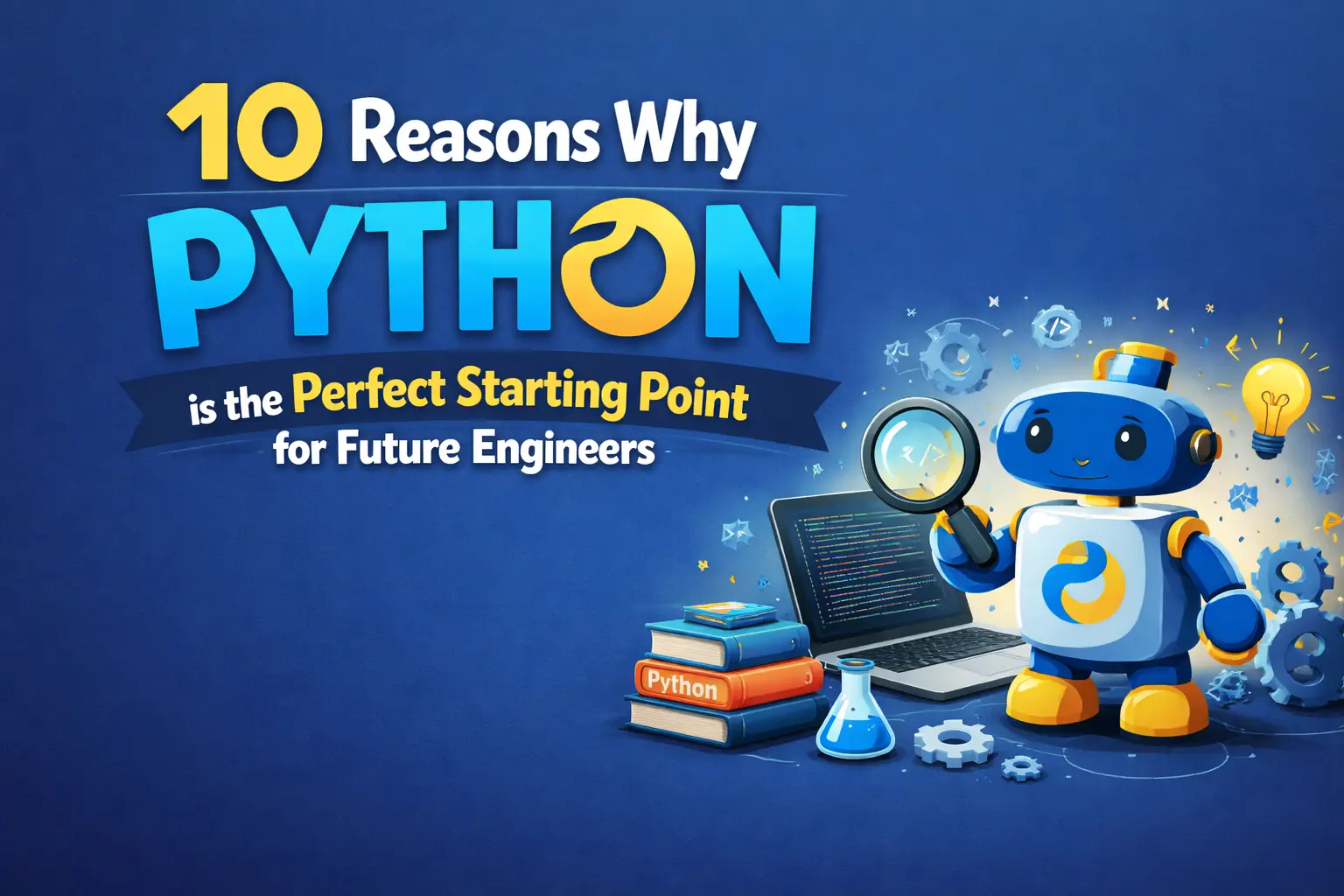
10 Reasons Why Python is the Perfect Starting Point for Future Engineers
The engineering landscape is shifting. Whether you are aiming for civil, mechanical, electrical, or software engineering, the ability to write code is no longer just an "extra" skill it is a fundamental requirement. Among the hundreds of programming languages available today, one consistently rises to the top for students and professionals alike.
Choosing a Python course as your entry point into the world of technology is one of the most strategic moves a future engineer can make. While other paths exist, such as enrolling in a PHP training course for legacy web systems or a Node.js course for scalable JavaScript environments, Python offers a unique blend of simplicity and power that is unmatched for educational foundations.
Here are 10 reasons why Python is the definitive starting point for the next generation of engineers.
1. Syntax That Mimics English
The biggest barrier to entry for most engineering students is "syntax frustration", the struggle with semicolons, curly braces, and complex memory management. Python removes these hurdles. Its design philosophy emphasises readability, allowing you to focus on solving engineering problems rather than fighting with the code itself.
2. A "Batteries-Included" Philosophy
In engineering, you often need to perform complex calculations or data visualisations immediately. Python comes with a vast standard library that handles everything from file management to networking right out of the box. This "batteries-included" approach means you spend less time setting up and more time building.
3. The Gold Standard for Data Science
Modern engineering is driven by data. Whether you are analysing structural stress points or optimising a power grid, Python’s ecosystem featuring libraries like Pandas, NumPy, and Matplotlib is the industry standard. It allows engineers to process massive datasets and create professional-grade visualisations with just a few lines of code.
4. Versatility Across Engineering Disciplines
Unlike languages that are pigeonholed into specific niches, Python is a "glue" language.
- Mechanical engineers use it for finite element analysis.
- Electrical engineers use it for signal processing and circuit simulation.
- Civil engineers use it for GIS mapping and urban planning simulations.
5. Rapid Prototyping Capabilities
In the professional world, time to market is everything. Python allows for rapid prototyping, meaning you can move from a concept to a functional script faster than in almost any other language. For an engineer testing a new algorithm or automation flow, this speed is a massive competitive advantage.
6. Seamless Automation of Repetitive Tasks
Engineers are often bogged down by repetitive data entry, file renaming, or spreadsheet updates. Python is the king of automation. A simple script can handle hours of manual labour in seconds, freeing you up to focus on high-level design and innovation.
7. Dominance in Artificial Intelligence and Machine Learning
The future of engineering is autonomous. From self-driving cars to smart factories, AI is the engine of the next industrial revolution. Python is the primary language for AI development. Learning it now ensures you are prepared for a career where machine learning models will likely be part of your daily toolkit.
8. Integration with Professional Engineering Software
Most industry-standard software like Autodesk Maya, Blender, and even ArcGIS offers Python APIs. This allows engineers to extend the functionality of their professional tools, creating custom plugins and automated workflows that aren't possible with the software alone.
9. A Massive, Supportive Global Community
When you run into a bug at 2:00 AM, community matters. Python has one of the largest and most helpful communities in the world. Whether it is through documentation, forums, or open-source libraries, you will never be stuck for long. This wealth of shared knowledge is an invaluable resource for a student.
10. High Demand and Career Longevity
Top-tier firms are looking for "T-shaped" engineers those with deep expertise in one field and a broad set of digital skills. Proficiency in Python makes your resume stand out. It signals to employers that you are a modern, tech-savvy problem solver capable of operating at the intersection of physical engineering and digital logic.
Conclusion: Building Your Foundation
The transition from a student to a professional engineer requires a toolkit that is both powerful and flexible. While specialised tracks like web development or systems architecture might eventually lead you toward a different PHP training course or a NodeJS course, starting with a Python course provides the most robust architectural foundation for your brain.
By choosing Python, you aren't just learning a language; you are learning how to think like a developer, automate like an expert, and analyse like a scientist. It is the bridge between a great idea and a working reality.